


-
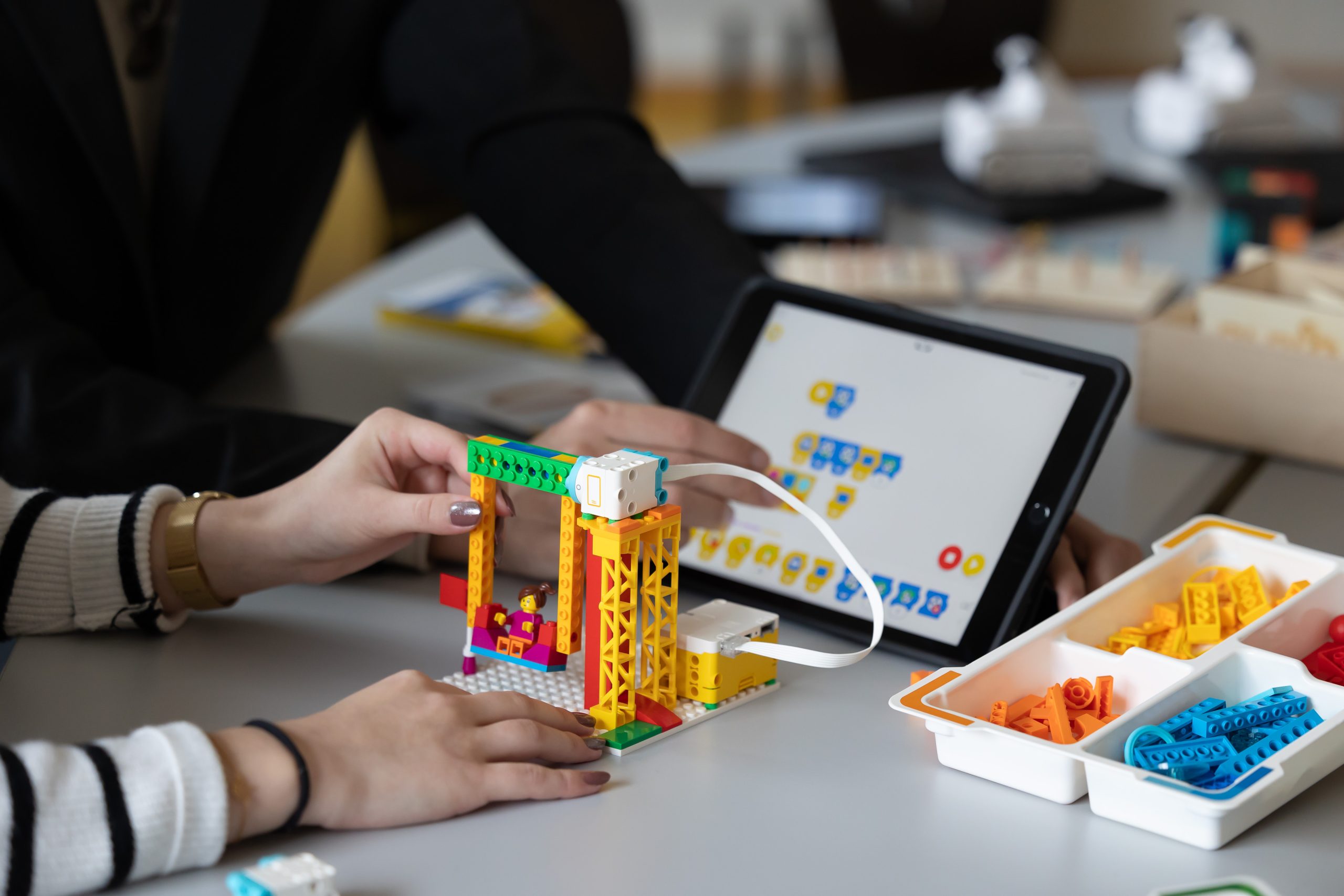
Marine Biology Ecosystem Simulation Project – an immersive, real-time 3D environment that brings marine ecosystems to life through advanced visualization and simulation.
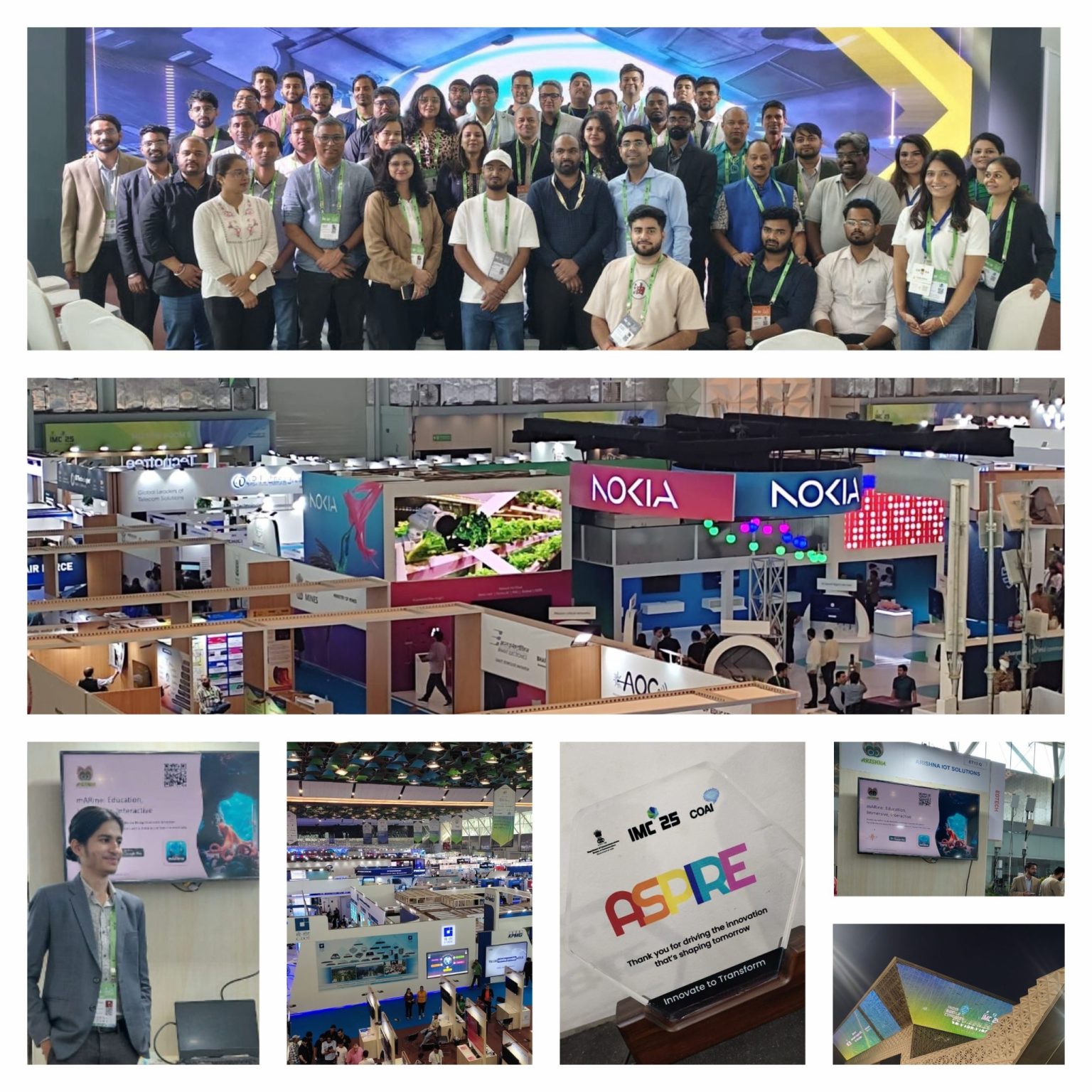
An incredible experience representing with Arishna IoT Solutions at IMC 2025 (India Mobile Congress) Presented by Prabhakar Joshi (Mentor by Krishan Mohan Patel)— Asia’s largest technology and innovation event organized by the Department of Telecommunications (Government of India) and COAI. We were honored to receive the ASPIRE Innovation Excellence Award 2025 for our Marine Biology Ecosystem…
-
Featured on ORF2 & 3sat: Octopus Intelligence Project Makes National Headlines
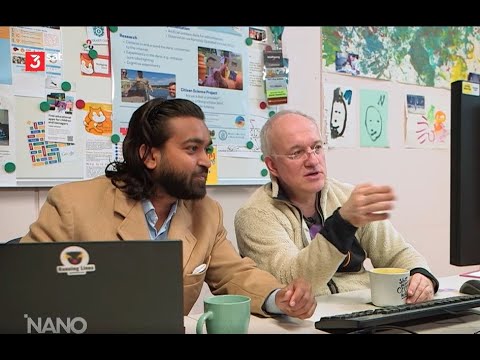
Austrian National Television – ORF2 and 3sat NANO for our groundbreaking research project, “Octopus Intelligence: Interspecies Communication Powered by AI”. This recognition highlights our pioneering work in AI, IoT, and Augmented Reality applied to marine biology and education. This short documentary, filmed by a professional science media team, showcases how Arishna’s interdisciplinary R&D is making waves in the field of AI for Smart Environmental…
-
Next-Gen IoT Teaching and Learning Platform with AIoT Development Kit and IoT Cloud (Workshop)- SFSCON 2025
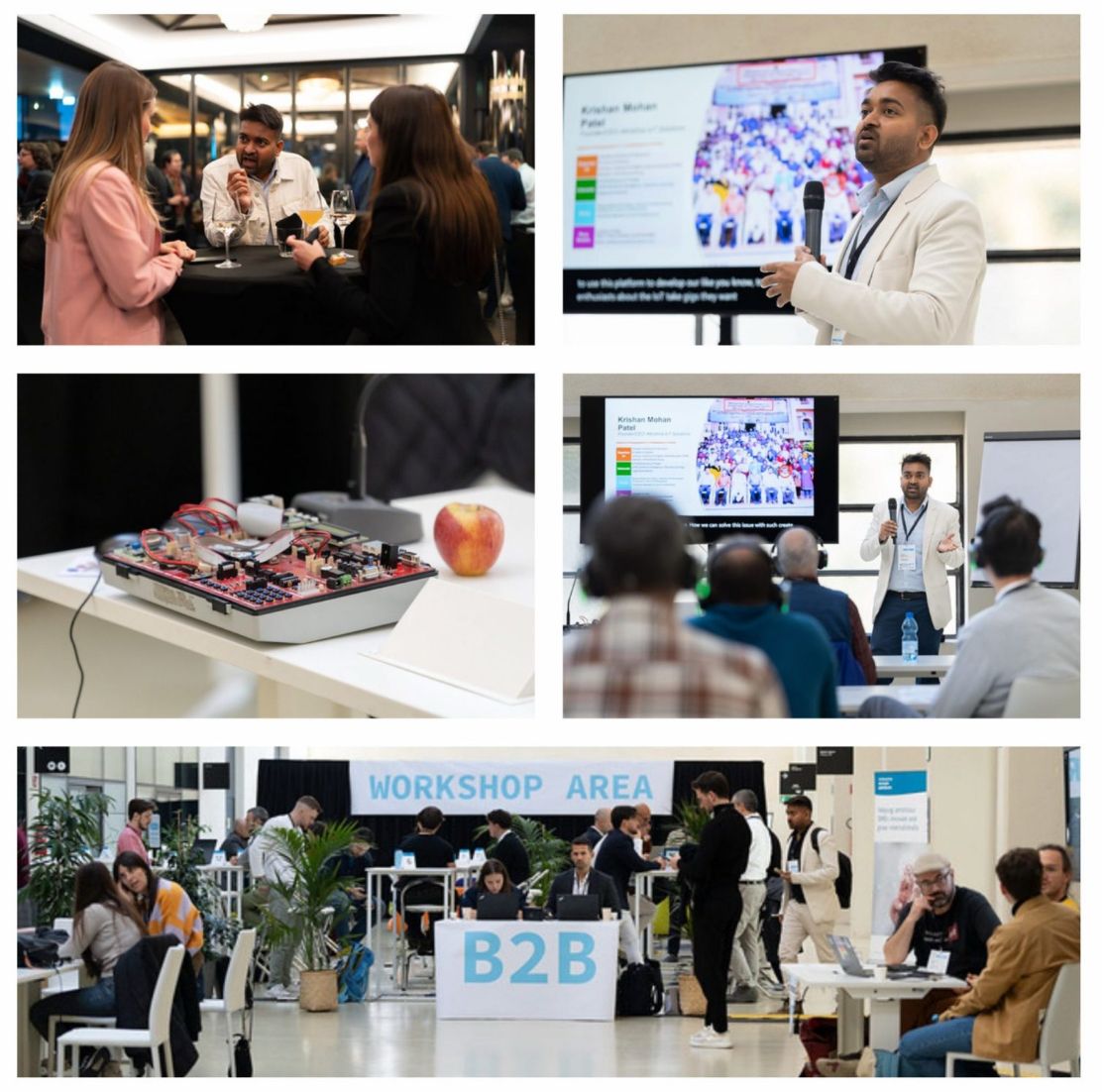
This workshop introduces an innovative AIoT-based educational framework designed to revolutionize STEM learning through hands-on engagement. Participants will explore a modular IoT-enabled Teaching and Learning Platform equipped with sensor-based hardware, machine learning integration, and real-time data processing via IoT Cloud. The session will provide hands-on activities including assembling the AIoT Development Kit, configuring cloud dashboards,…
-
A Novel Framework for Decoding Inter-Species Communication with Octopodes (DISC-O)
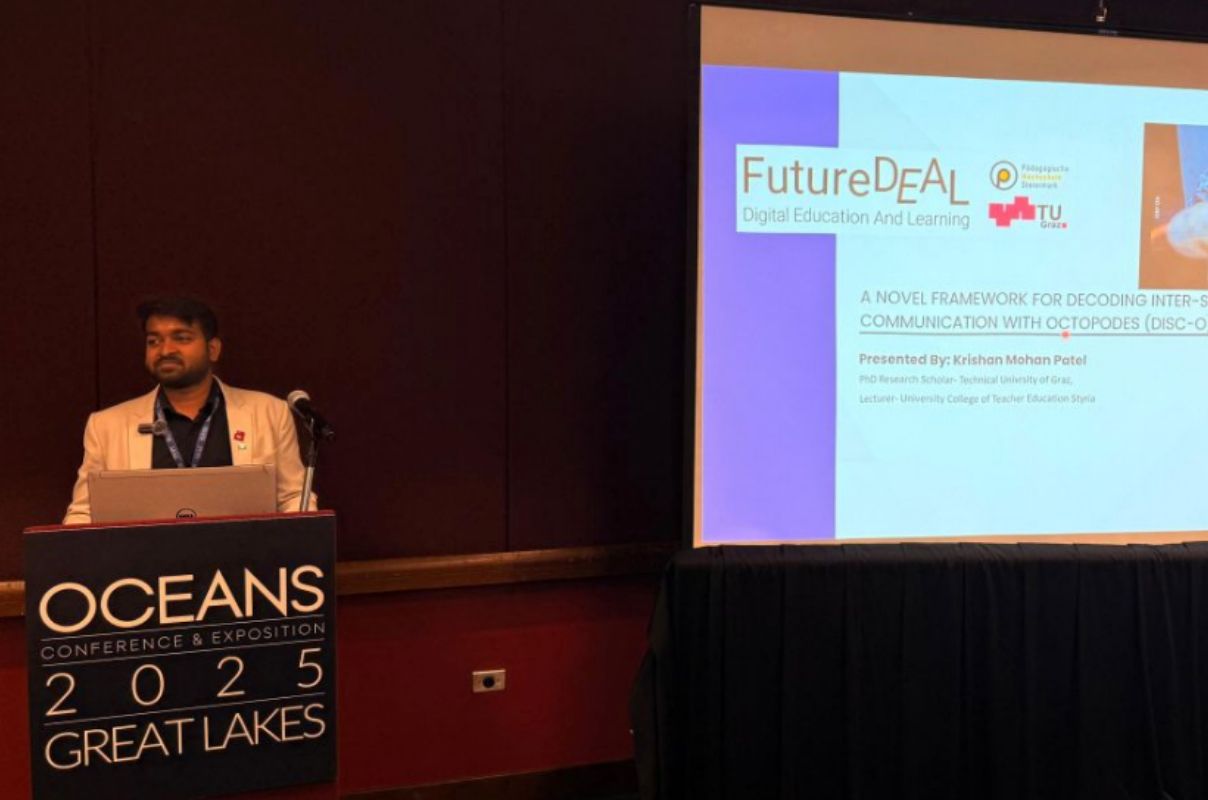
In this publication, we present DISC-O (Decoding Inter-Species Communication with Octopodes), a research-driven framework for detecting and analyzing octopus behavior and interactions. The system combines YOLOv8-based deep learning and transfer learning with pose estimation to detect octopodes, human hands, and octopus limbs, while identifying key behaviors such as camouflage and ink spewing through image analysis.…
-
Cephalopod AR: An Interactive Marine Biology Learning Experience through Augmented Reality
In this publication, we present Cephalopod AR, an interactive augmented reality application that brings marine biology learning into the classroom. The application enables students to explore virtual cephalopods in their physical environment, observe authentic behaviors such as camouflage and ink discharge, and interact with virtual underwater ecosystems through AR-based learning modes. Moudgil, A. K., Patel,…
-
Next-Gen IoT Teaching and Learning Platform with AIoT Development Kit and IoT Cloud
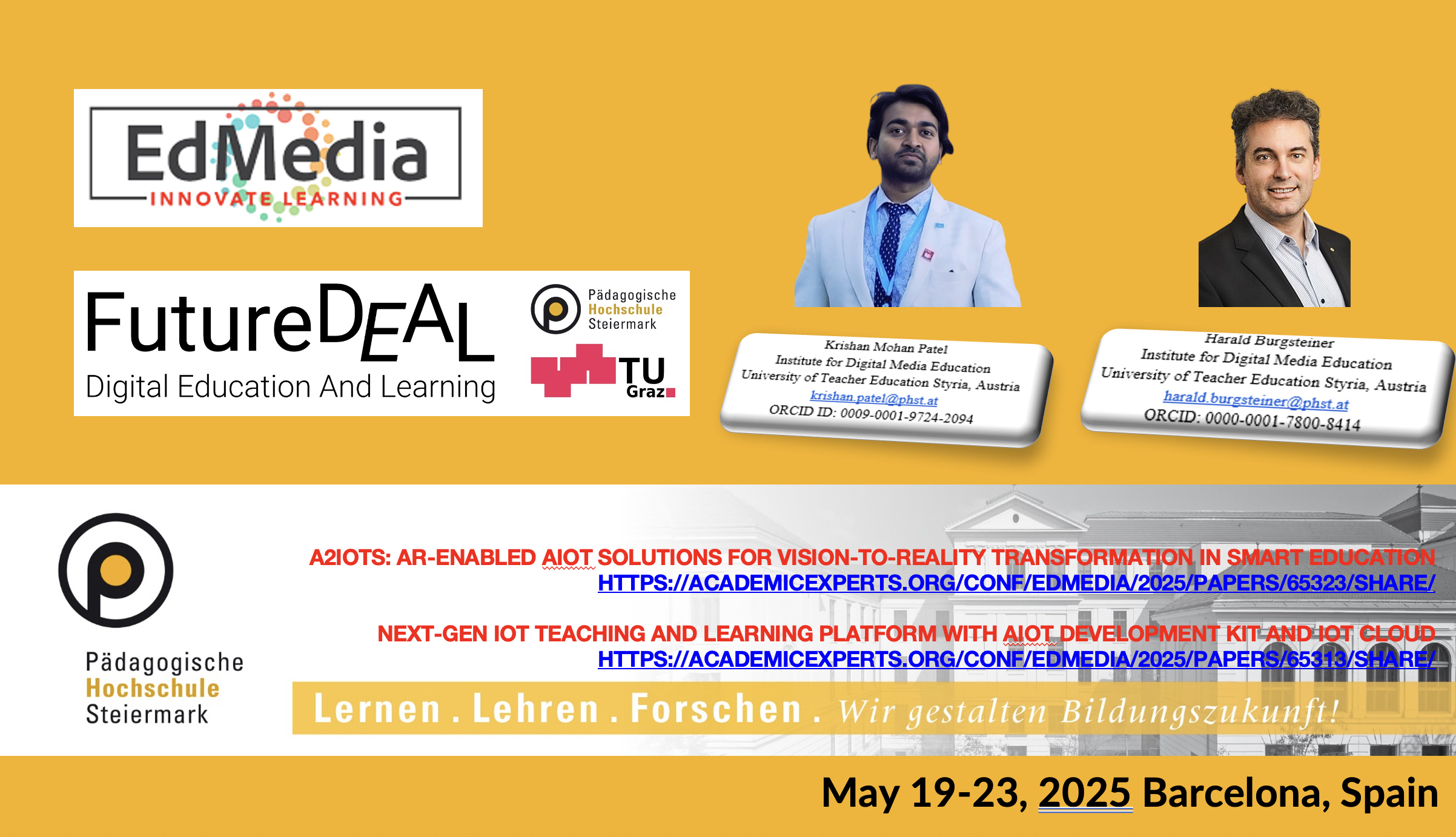
In this publication, we present a unified AIoT-based teaching and learning platform that combines an AIoT Development Kit with cloud-based IoT infrastructure to support hands-on learning, intelligent decision-making, and modular prototyping. The platform was evaluated through educational testbeds, including secondary schools and STEM workshops, demonstrating improvements in student engagement, skill development, and technological literacy…
-
A2IoTS: AR-Enabled AIoT Solutions for Vision-to-Reality Transformation in Smart Education
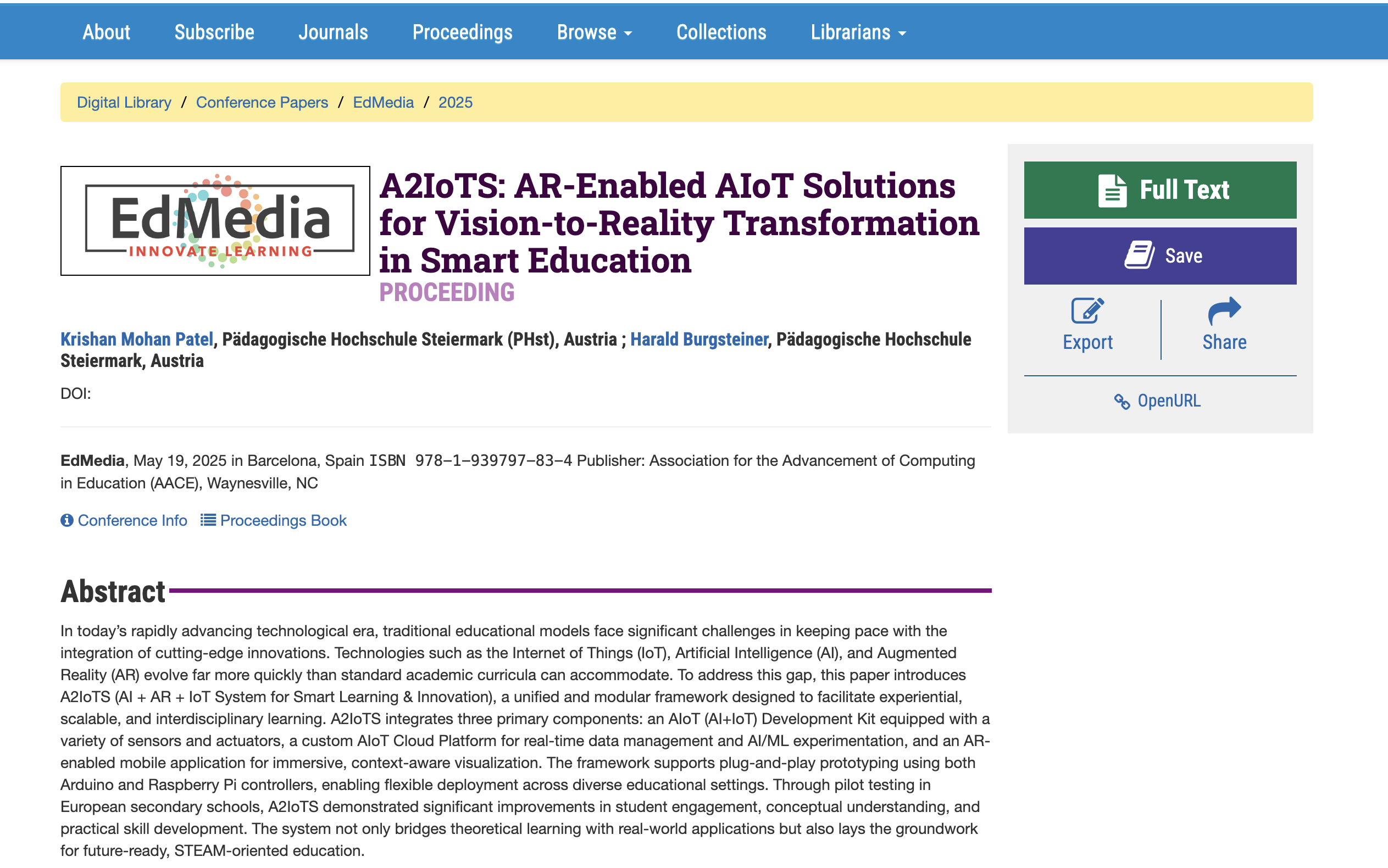
https://www.learntechlib.org/p/226164 In this publication, we present A2IoTS, an integrated AI-, AR-, and IoT-based framework designed to transform theoretical learning into hands-on, experiential education. The system combines an AIoT Development Kit with sensors and actuators, an AIoT Cloud Platform for real-time data management and AI/ML experimentation, and an AR-enabled mobile application for interactive visualization. By supporting…
-
Journal-Artikel: Einstieg in den KI-Unterricht mit der Augmented-Reality-Maske
Wie lässt sich der gesamte Machine-Learning-Prozess – von der Datenerhebung bis zum einsatzbereiten Modell – in einer einzigen Unterrichtseinheit erlebbar machen? Wolfgang Robinig, Benedikt Brünner, Harald Burgsteiner und Johannes Peter Wallner stellen dafür eine browserbasierte Augmented-Reality-Masken-Aktivität vor. Teilnehmende erfassen und beschriften dabei einen kleinen Datensatz mit vier Gesichtsausdrücken und trainieren mittels Transfer-Learning auf einem vortrainierten…
-
Publikation: aicast: Combining AI-Generated and Instructor-Defined Content in Educational Podcasts
Mit aicast.fyi wird eine Open-Source-Plattform vorgestellt, die personalisierte Lernpodcasts aus KI-generierten und von Lehrpersonen festgelegten Inhalten erstellt. Durch die Verbindung von Textgenerierung, Sprachsynthese und didaktisch definierten Leitfragen sollen qualitativ hochwertige und lernzielorientierte Audioangebote entstehen. Gleichzeitig unterstützt die Plattform selbstreguliertes Lernen, indem Lernende Inhalte und Abfolgen individuell mitgestalten können. Brünner, B., Leitner, P., Geier, G. &…
-
Publikation: Motivation and Self-Regulated Learning in Secondary Schools with Flipped Classrooms: A Systematic Literature Review
Die Publikation mit dem Titel Motivation and Self-Regulated Learning in Secondary Schools with Flipped Classrooms: A Systematic Literature Review war ein Produkt der Masterarbeit von Katja Urak (Betreuung: Benedikt Brünner, Gerald Geier, Martin Ebner). Ein Systematic Literature Review fasst die Ergebnisse von 34 Studien zu den Auswirkungen des Flipped-Classroom-Modells auf die Motivation und das selbstregulierte…
-
Poster: Digital Basic Education Teacher Training and Self-reported Digital Competence Profiles in Austria
Im Rahmen der Masterarbeit von David Handler (Betreuer: Harald Burgsteiner und Gerald Geier) ist ein weiterer Forschungsbeitrag entstanden. Dabei wurde untersucht, welche Auswirkungen der Besuch des Hochschullehrgangs Digitale Grundbildung auf die Selbstwirksamkeit, die Kompetenzen im selbstregulierten Lernen, die TPACK-Fähigkeiten und die Datenkompetenzen hat. Handler, D., Geier, G., Burgsteiner, H. (2026). Digital Basic Education Teacher Training…
-
Publikation: Development and Evaluation of an AI-Supported Teacher Assistant Tool (AI-TAT) to Foster Self-Regulated Learning
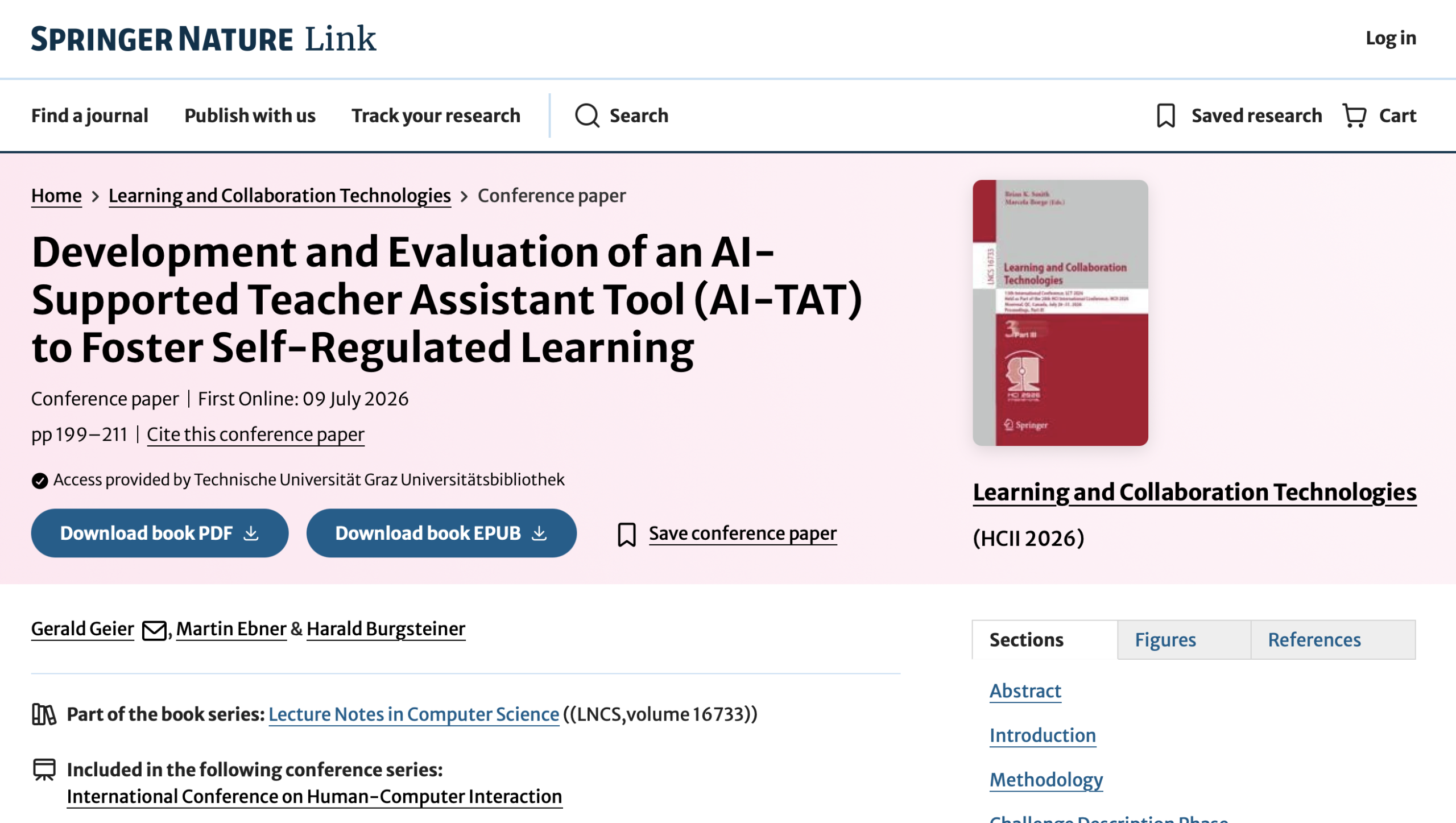
In dieser Publikation stellen wir ein Herzstück der Dissertation von Gerald Geier vor. Das AI-supported Teacher Assistent Tool SRLly unterstützt Lehrpersonen bei der Optimierung von Arbeitsblättern für den Einsatz im selbstregulierten Lernen. Geier, G., Ebner, M., Burgsteiner, H. (2026). Development and Evaluation of an AI-Supported Teacher Assistant Tool (AI-TAT) to Foster Self-Regulated Learning. In: Smith, B.K., Borge, M. (eds)…
-
Publikation: Exploring Teachers’ Use of Educational Technology to Support Self-Regulated Learning in Secondary Education
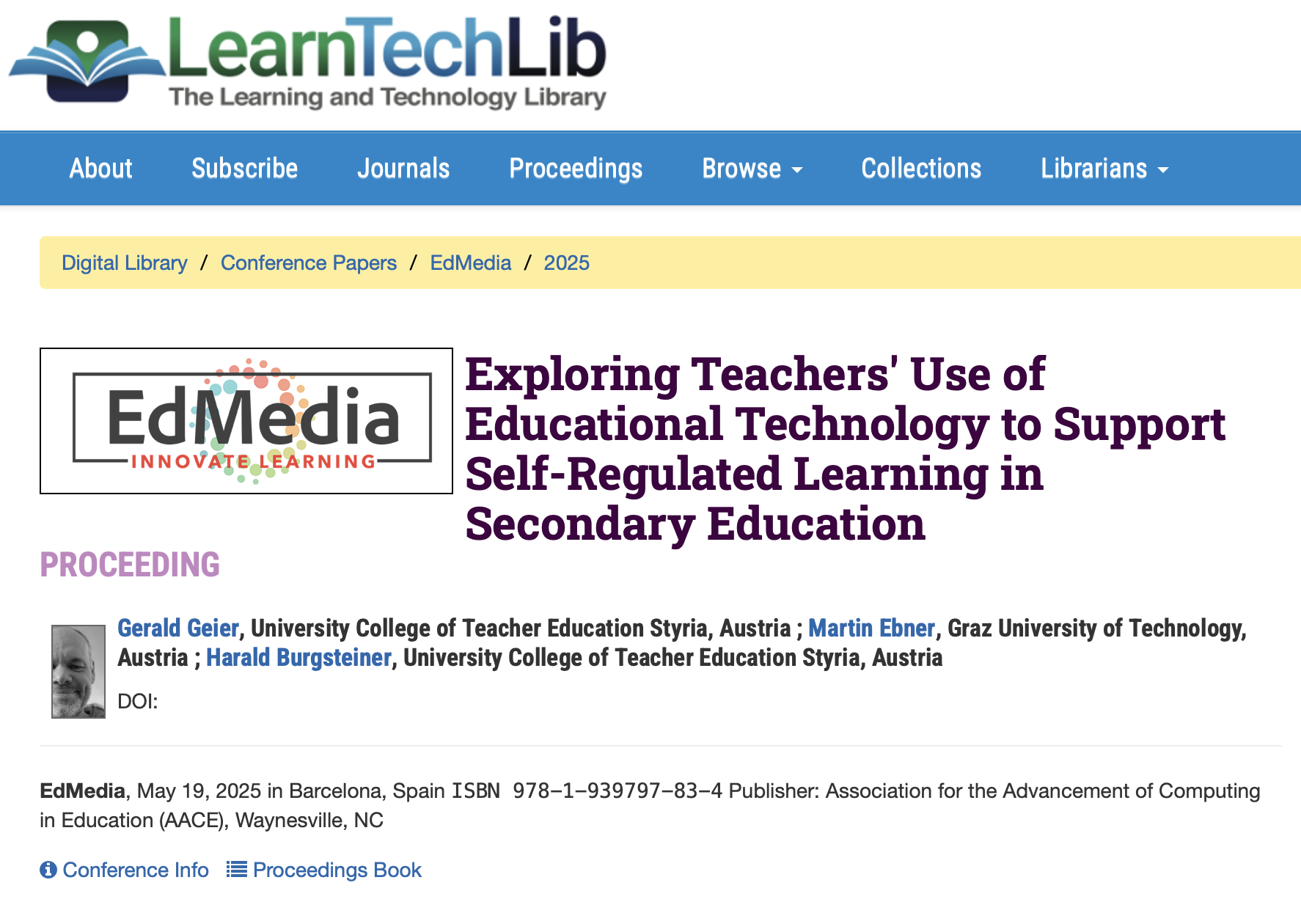
Im Zuge unserer umfangreichen Mixed-Methods Studie haben wir im qualitativen Teil 380 Lehrpersonen aus der Sekundarstufe zu Ihren SRL-Kompetenzen, Ihrem Umgang mit SRL in der Lehrer, Ihrer Haltung und Nutzung von Educational Technology und Ihrem Umgang mit Fortbildungen befragt. Bei der EdMedia Konferenz 2025 durften wir dazu Einblicke geben. Geier, G., Ebner, M. & Burgsteiner,…
-
Publikation: Empowering Self-Regulated Learning Through Technology and the Teacher’s Role – A Systematic Literature Review
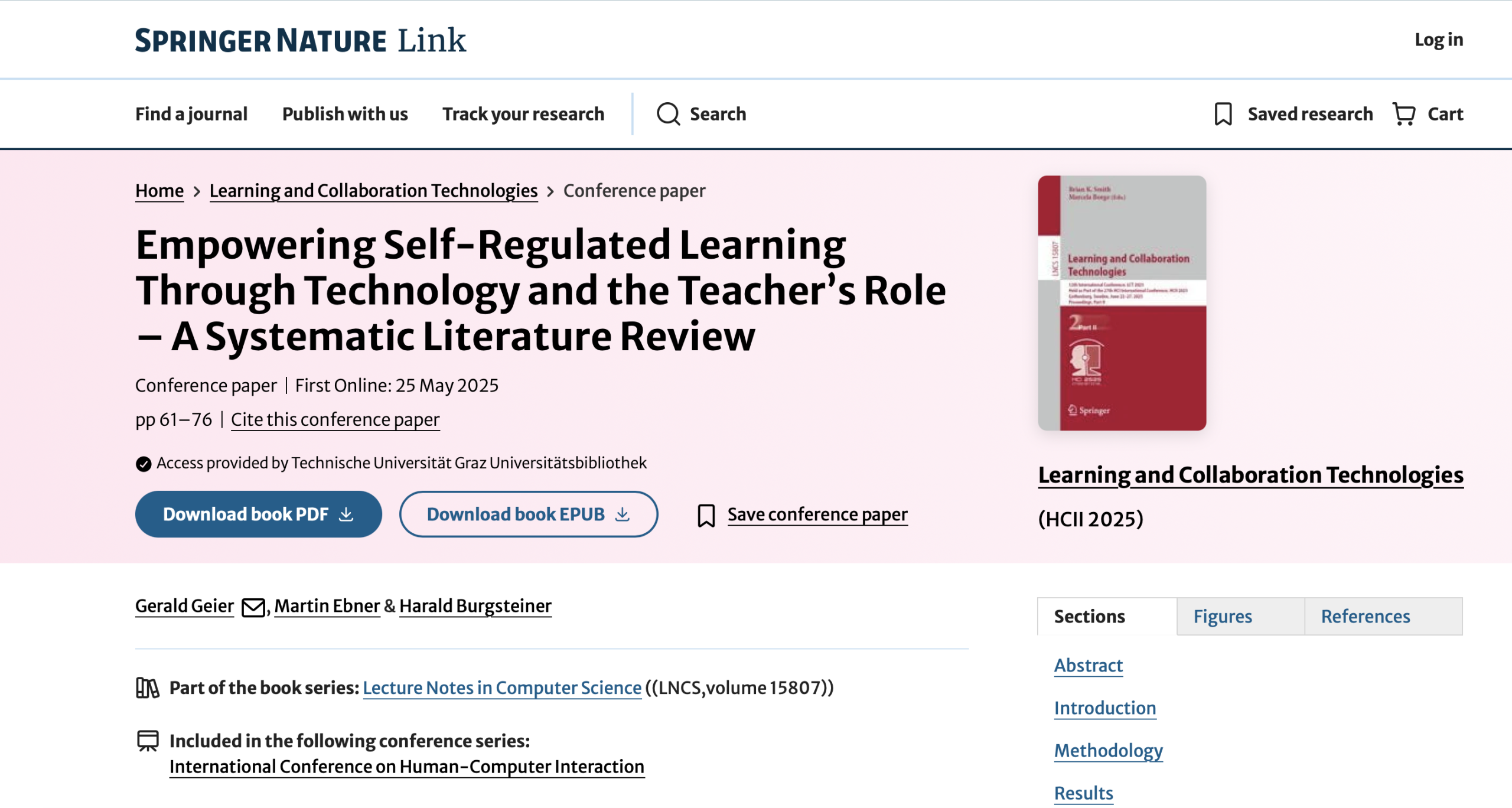
In diesem Beitrag wird anhand eines Literature Reviews untersucht, welche Kompetenzen Lehrpersonen benötigen, um selbstreguliertes Lernen in der Sekundarstufe mithilfe von Educational Technologies gezielt zu fördern. Geier, G., Ebner, M., Burgsteiner, H. (2025). Empowering Self-Regulated Learning Through Technology and the Teacher’s Role – A Systematic Literature Review. In: Smith, B.K., Borge, M. (eds) Learning and…
-
Publikation: Kritische KI-Bildung an Hochschulen – Ergebnisse der fnma-Arbeitsgruppe
Als Mitglied der fnma-Arbeitsgruppe „KI in der Hochschullehre – kritisch, verantwortungsvoll und praxisorientiert“ arbeitete Wolfgang Robinig gemeinsam mit Andreas Zitek, Sonja Gabriel, Lisa-Maria Norz, Tobias Schwarzbauer und Franziska Kinskofer an zwei Publikationen mit, die nun frei zugänglich auf Zenodo veröffentlicht wurden. Der EU AI Act verpflichtet Hochschulen dazu, ihr Personal im Umgang mit KI-Systemen zu…